Proper nutrition is the single most important factor in your bird's long-term health, happiness, and longevity. Yet it remains one of the most commonly misunderstood aspects of avian care. At Oakville Avian Care, we see firsthand how a well-balanced diet transforms birds, improving their plumage, energy levels, and overall disposition. This guide draws on our years of experience to help Oakville bird owners make informed nutritional choices for their feathered companions.
Why Nutrition Matters More Than You Think
In the wild, birds spend a significant portion of their day foraging for a diverse range of seeds, fruits, insects, and vegetation. This natural variety ensures they receive a broad spectrum of vitamins, minerals, and macronutrients. In captivity, however, many birds are offered a limited diet that can lead to nutritional deficiencies over time. These deficiencies may not be immediately apparent but can manifest as dull feathers, lethargy, weakened immune function, and even behavioural problems such as feather plucking.
The foundation of a healthy captive diet should closely mirror the nutritional diversity a bird would experience in the wild, adapted to what is practical and safe in a home environment. This means moving beyond an all-seed diet and embracing a balanced approach that includes high-quality pellets, fresh produce, and appropriate supplements.
The Pellet Foundation
Veterinary avian nutritionists widely agree that a formulated pellet diet should constitute approximately 60 to 70 percent of most companion birds' daily intake. Unlike loose seed mixes, pellets are designed to deliver balanced nutrition in every bite, preventing birds from selectively eating only their favourite seeds and missing essential nutrients.
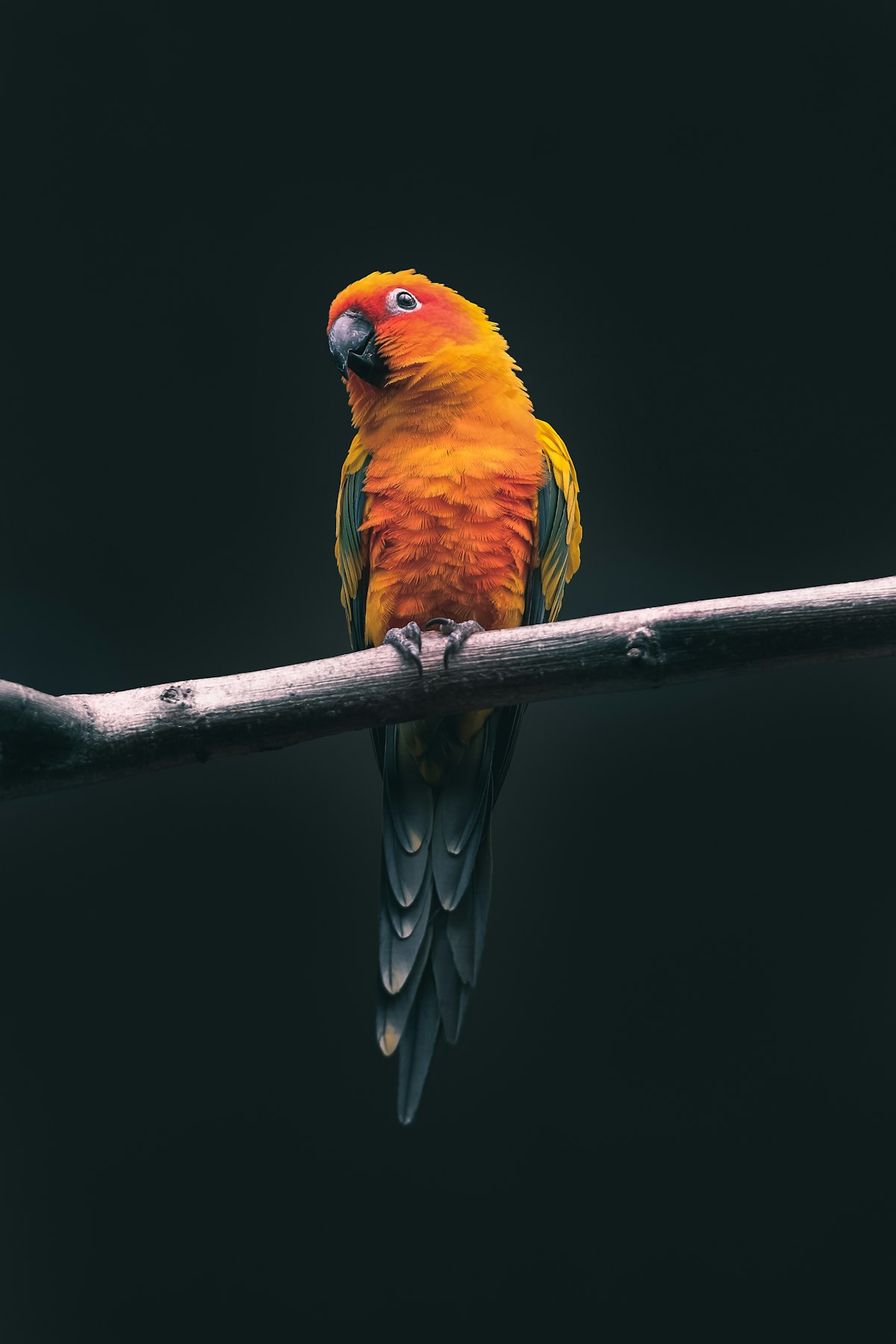
When selecting pellets, look for reputable brands that avoid artificial colours, flavours, and excessive sugar. The pellet size should be appropriate for your bird's species: smaller pellets for budgies and cockatiels, medium for conures and small parrots, and larger formulations for macaws and cockatoos. Transitioning a seed-addicted bird to pellets requires patience, and we recommend a gradual introduction over several weeks rather than an abrupt switch.
Fresh Fruits and Vegetables
Fresh produce should make up roughly 20 to 30 percent of your bird's diet. Dark leafy greens such as kale, Swiss chard, and dandelion greens are excellent sources of calcium and vitamin A. Bell peppers, carrots, sweet potatoes, and broccoli provide additional vitamins and antioxidants. Fruits like berries, papaya, mango, and apple (without seeds) offer natural sugars and variety that most birds enjoy.
Introduce new foods gradually and do not be discouraged if your bird is initially suspicious. Many birds need to see a new food item multiple times before they will try it. Offering fresh foods in different formats, such as chopped, grated, or hung from a skewer, can spark curiosity. Oakville bird owners often find that eating fresh foods alongside their bird encourages them to try new items.
Seeds and Nuts: Treats, Not Staples
Seeds and nuts are calorie-dense and high in fat, making them excellent training rewards and occasional treats but poor dietary staples. A bird fed primarily on sunflower seeds or peanuts is at serious risk of obesity, fatty liver disease, and nutritional deficiency. We recommend limiting seeds and nuts to no more than 10 percent of the total diet, using them strategically for enrichment and positive reinforcement during training sessions.
For foraging enrichment, you can hide small amounts of seeds inside foraging toys or wrap them in paper for your bird to discover. This satisfies their natural foraging instinct without overloading their diet with fats.
Foods to Avoid
Several common human foods are toxic to birds and must never be offered. Avocado, chocolate, caffeine, alcohol, onions, garlic, and fruit pits or apple seeds are all dangerous. High-sodium processed foods, sugary snacks, and anything containing artificial sweeteners should also be avoided. When in doubt, consult your avian veterinarian before offering a new food item.
Water Quality and Hydration
Fresh, clean water should be available at all times. Water dishes should be cleaned and refilled at least twice daily, as birds frequently drop food and debris into their water. Some owners find that a water bottle reduces contamination, though not all birds take to bottle drinking readily. If you use municipal tap water, letting it sit for a few hours to allow chlorine to dissipate, or using a simple carbon filter, is a reasonable precaution.
Supplements and Special Considerations
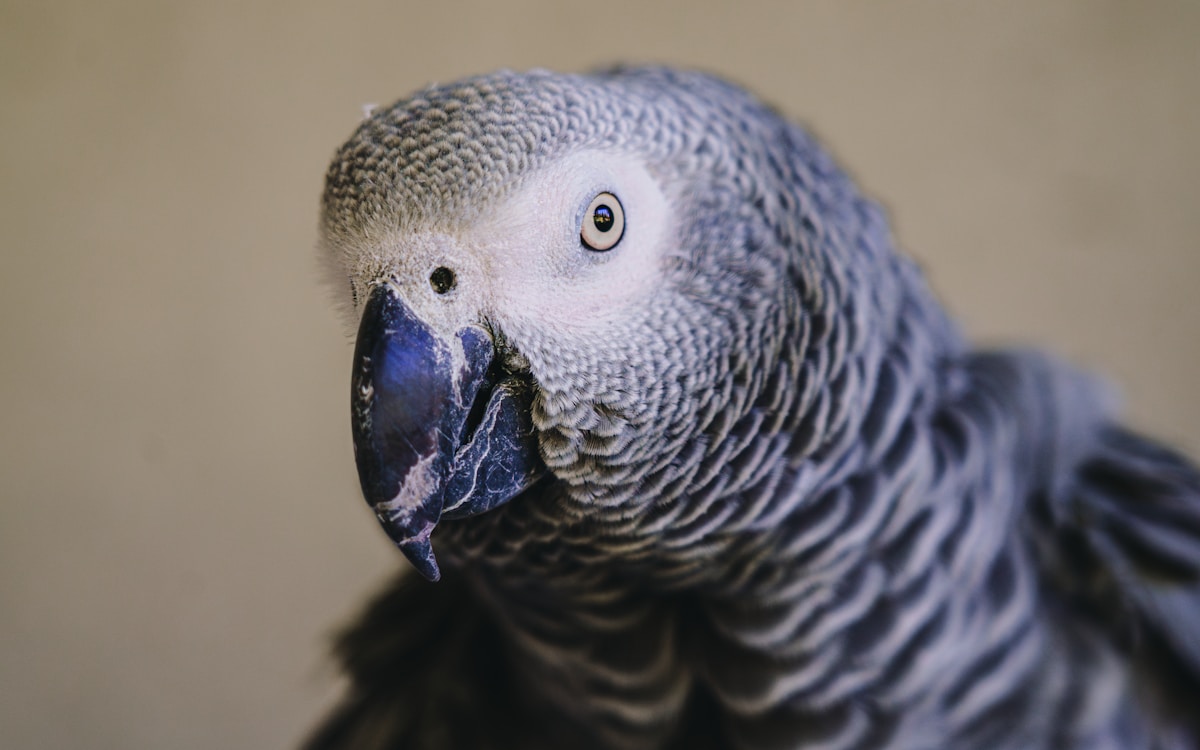
Most birds on a balanced pellet-and-fresh-food diet do not require additional supplements. However, certain species or individual birds may benefit from calcium supplementation, particularly breeding hens and African greys, which are prone to calcium deficiency. A cuttlebone or mineral block provides a safe, self-regulating source of calcium. Any additional supplements should be discussed with your avian veterinarian to avoid over-supplementation, which can be as harmful as deficiency.
Building a Routine
Consistency is key. Offer pellets as the primary food source throughout the day, and provide a fresh chop of fruits and vegetables each morning. Remove uneaten fresh food within a few hours to prevent spoilage. Reserve seeds and nuts for training and enrichment activities. Over time, this routine becomes second nature for both you and your bird, and the health benefits will be clearly visible in their plumage, energy, and temperament.
At Oakville Avian Care, we follow each bird's personalised dietary plan precisely during their stay. If you have questions about optimising your bird's nutrition, our team is always happy to share guidance drawn from years of hands-on experience with birds of every species.