One of the most rewarding aspects of sharing your life with a bird is the depth of communication that develops between you and your feathered companion. Unlike dogs or cats, birds communicate primarily through subtle physical cues, and learning to read these signals transforms your relationship from coexistence into genuine connection. At Oakville Avian Care, our ability to interpret avian body language is fundamental to the quality of care we provide. Here is what we have learned over years of working closely with birds of every species.
Feather Position: The First Signal
A bird's feathers are one of the most expressive parts of their body. Feathers held sleek and tight against the body typically indicate alertness or mild anxiety. The bird is making itself appear smaller, which is an instinctive response to feeling uncertain or wary. Conversely, slightly fluffed feathers, particularly when a bird is perched comfortably, suggest relaxation and contentment. This is the avian equivalent of settling into a comfortable chair.
Extreme fluffing, however, especially when accompanied by lethargy, closed eyes, or sitting on the cage floor, can be a sign of illness. Birds instinctively hide illness as a survival mechanism, so visible signs of unwellness often indicate that the condition has progressed and veterinary attention is warranted. At Oakville Avian Care, we monitor feather position as part of our daily health observations for every guest.
Feather ruffling followed by a full-body shake is a normal grooming behaviour and often signals that a bird is transitioning between activities or emotions. Think of it as a reset. You will frequently see this after a bird has been startled and then determines there is no actual threat.
Eye Pinning: The Window to Emotion
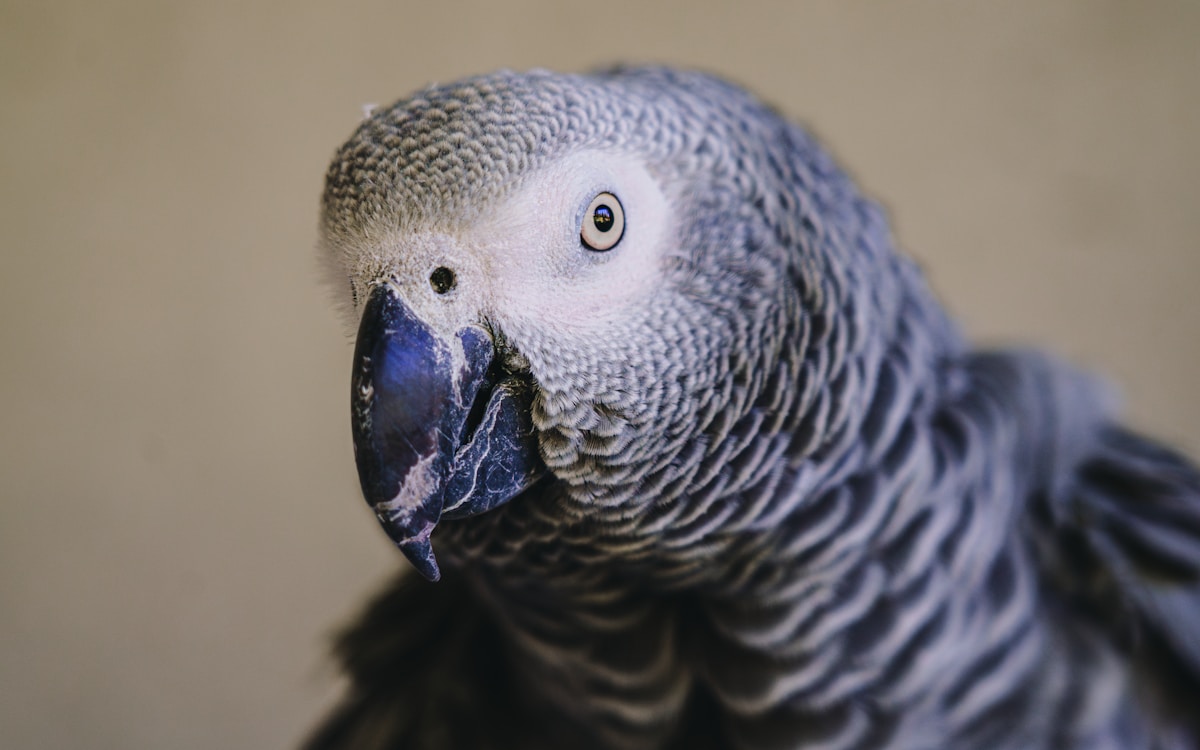
Species with light-coloured irises, such as Amazon parrots, African greys, macaws, and cockatoos, display a behaviour called eye pinning, where the pupils rapidly dilate and contract. This is an involuntary response to strong emotion, but the specific emotion depends entirely on context. A bird that is eye pinning while looking at a favourite treat is expressing excitement. A bird that is eye pinning while puffed up and leaning forward may be expressing aggression or territorial behaviour.
Learning to read eye pinning in conjunction with other body language cues is essential. On its own, pinning simply tells you that your bird is experiencing heightened emotion. Combined with relaxed posture and soft vocalisations, it is positive. Combined with rigid posture and a fanned tail, it is a warning to give the bird space.
Crest Position in Cockatoos and Cockatiels
For cockatoo and cockatiel owners, the crest is an extraordinarily expressive feature. A fully raised crest typically indicates excitement, surprise, or heightened alertness. This is often the first thing you see when you walk into the room or offer a new toy. A crest held flat against the head can signal fear, submission, or relaxation depending on accompanying body language. A crest at a neutral, slightly raised position suggests a calm, content bird. Reading these cues correctly is a big part of how we approach cockatiel boarding, where a sudden change in crest or posture is often the first sign something needs attention.
Rapid transitions between fully raised and flat crest positions often indicate agitation or confusion. If you notice this during an interaction, it is best to slow down, speak softly, and give your bird time to process whatever has triggered the response.
Posture and Body Orientation
A bird that leans toward you, shifts its weight forward, and makes direct eye contact is expressing interest and engagement. This is often accompanied by slightly raised foot, as though preparing to step up. It is an invitation for interaction. A bird leaning away, shifting its weight to the back foot, or turning its body sideways is expressing discomfort or a desire for space. Respecting this signal is crucial for building trust.
A bird standing tall with feathers tight, wings slightly away from the body, and beak open is displaying a defensive or aggressive posture. This is a clear warning not to approach. In multi-bird households, you may see this during territorial disputes. Understanding and respecting this signal prevents bites and reduces stress for the bird.
One of the most endearing postures is the relaxed single-foot stand, where a bird tucks one foot into its belly feathers while perched on the other. This indicates complete comfort and security. If your bird regularly adopts this posture in your presence, it is a strong sign that they feel safe with you.
Vocalisations and Their Meanings
While this guide focuses on body language, vocalisations are an inseparable part of avian communication. Soft chirping, whistling, or quiet chattering typically indicates a relaxed, happy bird. Loud, repetitive screaming can signal boredom, attention-seeking, or an alarm response to perceived threats. Grinding the beak, a soft scratching sound birds make before sleep, is one of the clearest signs of contentment and relaxation.
A bird that suddenly goes silent after being normally vocal may be stressed, frightened, or unwell. This change in baseline behaviour is an important signal that warrants investigation. Similarly, a normally quiet bird that begins screaming may be trying to communicate pain, fear, or frustration.
Tail Behaviour
Tail fanning, where a bird spreads its tail feathers wide, is typically a display of excitement or aggression. In some species, particularly Amazons and macaws, tail fanning combined with eye pinning and a rigid posture is a clear territorial display. Tail bobbing, a rhythmic up-and-down movement of the tail, can indicate respiratory effort and may be a sign of illness if it occurs at rest. A gentle tail wag, similar to a dog's, is seen in some species and usually indicates happiness or anticipation.
Wing Language
Wing stretching, where a bird extends one wing and the corresponding leg simultaneously, is a normal stretching behaviour and a sign of comfort. Wing flapping while perched is often an exercise behaviour or an expression of excitement. Drooping wings, where the wings hang below their normal resting position, can indicate illness, exhaustion, or overheating and should be monitored closely.
Young birds and recently clipped birds may flap vigorously while perched as a way to exercise flight muscles. This is healthy and normal. However, if an adult bird with full flight feathers is flapping without attempting to fly, it may be expressing frustration or excess energy that needs an outlet through enrichment.
Putting It All Together
The key to reading avian body language is context. No single signal tells the complete story. A raised crest, for example, means something entirely different when paired with relaxed feathers and soft vocalisations versus tight feathers and a rigid stance. Over time, you will develop an intuitive understanding of your individual bird's communication style, as each bird has its own personality and nuances.
At Oakville Avian Care, our team reads these signals constantly throughout every bird's stay. It is how we know when a bird is settling in, when they need a quiet moment, and when they are ready for enrichment and interaction. If you would like to learn more about understanding your bird's behaviour, we are always happy to share insights from our years of hands-on experience with birds across Oakville.